
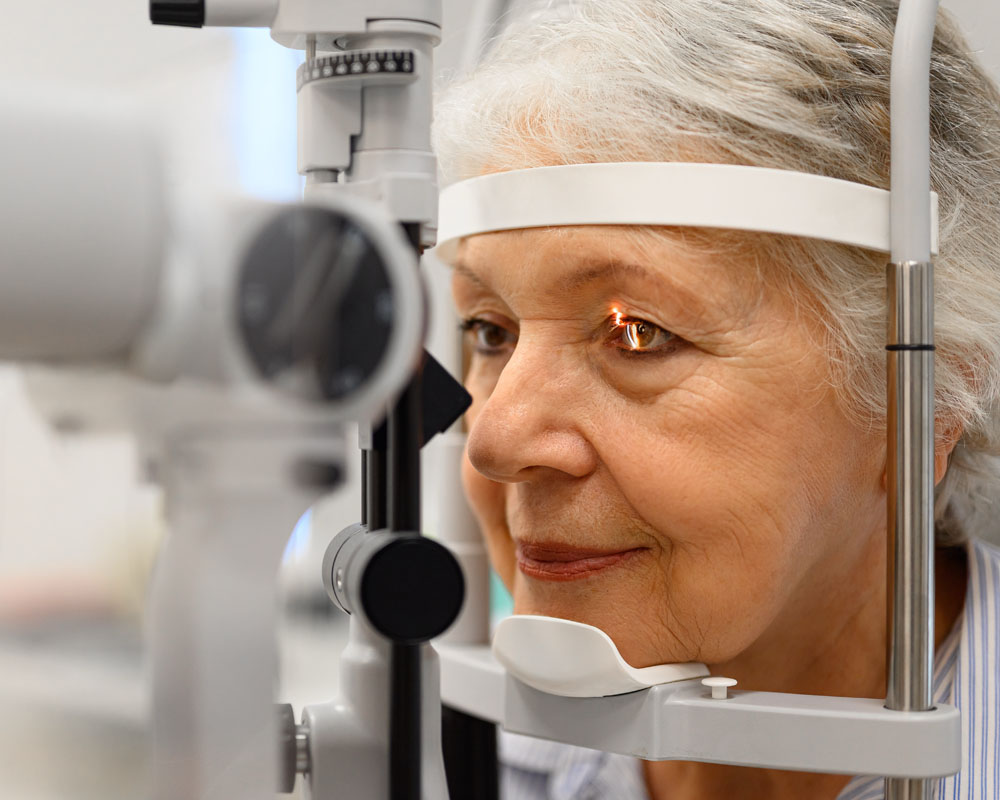
Glaucoma Treatment Options
From advanced medications to cutting-edge surgery, we offer the full spectrum of treatments. Our approach is always to start with the least invasive option that will effectively control your eye pressure, progressing to more advanced treatments only when necessary.

Prescription Eye Drops
Modern glaucoma medications are a highly effective first-line treatment for most patients. We’ll find the right medication and dosage to lower your eye pressure while fitting your lifestyle and minimizing side effects.

DURYSTA™ Implant
Horizon Eye Care was the first practice in North Carolina to offer this breakthrough sustained-release treatment. The tiny implant releases medication slowly over months, eliminating the need for daily eye drops for many patients.
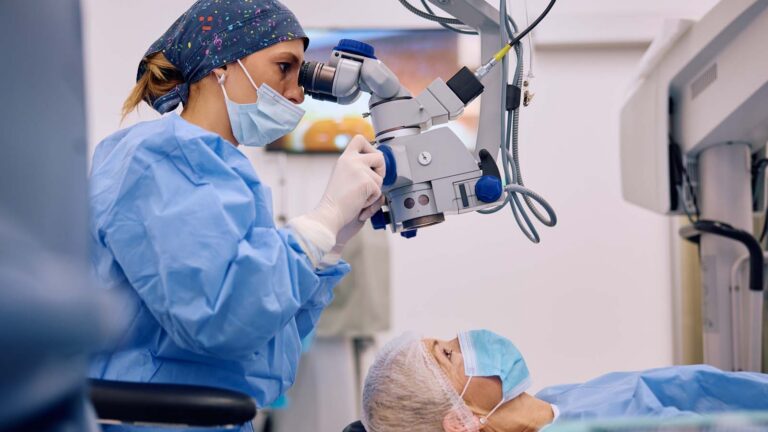
Laser Procedures
Selective Laser Trabeculoplasty (SLT) and other laser treatments can effectively lower eye pressure with minimal discomfort and quick recovery — often the ideal next step when drops aren’t sufficient or cause side effects.

Advanced Surgery
Our fellowship-trained glaucoma surgeons offer the latest techniques, including minimally invasive glaucoma surgery (MIGS) and traditional filtering procedures. We recommend surgery only when necessary to preserve your vision.









Vision Restored, Lives Transformed
“I transferred from CEENTA to Dr Ryder at Horizon Eye Care-Cotswold. Today was my first appointment. I can say I was pleasantly surprised. I had absolutely no wait time. The office has…”

“Dr. Cameron was friendly yet quite professional. His exam seemed thorough and his recommendations sound. He answered questions I had and took his time - he was not rushed to get to…”

“All staff from checking in at the front desk, throughout my appointment were very helpful. Dr.Minkowski did a great job of explaining options/the process of cataract surgery with me, especially given my…”

“I have been coming to Dr. Minkowski for over 2 years and he is an awesome doctor. He makes you feel welcomed and worry free. He explains everything in detail and will…”

“I was always treated very friendly and professional and helpful”

“Good visit with Dr . Mina .”

“Dr. Garcia was cheerful and engaged. She took the time to explain the findings of the tests. She also happily answered some questions I had concerning my vision overall.”

“I had to wait about 25-30 minutes to see the doctor.”

“Excellent experience with my recent visit. This was on a Saturday, which is very convenient given my busy schedule. Dr Cameron took his time to do a thorough eye exam. Friendly and…”

“Dr. Kaluzny provides outstanding professional treatment and recommendations. The wait time spent in the office of two hours was unacceptable.”

“Dr. Joe Krug sets the standard for ophthalmology. He retires in a week…a huge loss.”

“He’s an amazing ophthalmologist. He has saved my sight two times in the past 10 years. He will be missed by a lot of glaucoma patients.”

“I always feel listened to and understand the explanations.”

“The waiting room needs new furniture. The seats are so worn I was afraid they would damage my clothes.”

“Dr Ryder and staff were amazing.”

“Wonderful and attentive staff. They all work together with Dr Stein to make sure I am receiving the best care. I like that they always answer any questions or concerns that I…”

“The server at this location was much faster and streamlined than other locations I’ve been to for my eye care. Much less crowded and each step in the process was handled much…”

“Professional eye care. Dr. Wang was cordial as well as her assistant.”

“I have been seeing Dr Krug and staff for over a decade. Great professionalism, competence and courtesy.”

“The doctor was very, very, very thorough and really deep examinations of my eyes to make sure everything was OK. I was very impressed with the amount of care and knowledge she…”